


im Norden der Stadt 4 e-totem Standorte wie es aussieht.
im Norden der Stadt 4 e-totem Standorte wie es aussieht.

Beim Naviupdate wird nicht zwischen GT und anderen unterschieden.
Na dann musst du wohl mal selbst in die PC Software reingucken... Aber ich hab definitiv eine 2026 GT PE ausgewählt und installiert.
und beim GT ist auch der Datenstand mit 251118 (ccNC Navigation 02.2026 ( CV1MY26.ERT.ccNC_Lite.001.002.251118 CV1MY26.EUR.ccNC.001.002.251118 )) drin und beim normalen mit 251118 halt ohne GT im Namen.
Beim vFL CV_E.EUR.S5W_L.001.001.251204 -> 251204
Wie balanced Tarik denn seinen EV6? Der ist doch gestohlen worden. 
Spaß bei Seite, der EV6 balanced immer wenn nach dem Erreichen des eingestellten Ladeziels die (AC) Ladesäule oder Wallbox weiter Strom liefert. So kommen auch Ladestände über dem Ladelimit zustande.
Die gibt es schon seit mindestens dem 30.01.2026, da hab ich sie installiert.
Ich hab letzten September bestellt, Auslieferung war Mitte Januar.
zu 1) Das Problem hatte ich auch letzte Woche... durchhalten, jeden Tag wieder anrufen. Mit deiner Bank klären, dass die die Kreditkarte nicht ablehnen, jede Bank hat für Kreditkarten eine "Betrugsabteilung" die haben den tiefsten Einblick. Druck auf KiaCharge / DCS machen. Meines Posts ab hier hast du ja vermutlich gesehen, hast ja selbst im Thread gepostet. 
zu 2)
ADAC 55ct/kWh (plus in der Theorie anteilig deine ADAC Gebühr)
Kia Charge + Aral
- kleiner Tarif 0,49/4,99 ist nach monatlich 83kWh billiger, also 2 Ladevorgänge (6ct/kWh Differenz zu ADAC)
- großer Tarif 0,39/9,99 ist nach monatlich 62kWh billiger, also 1,5 Ladevorgänge (16ct/kWh Differenz zu ADAC)
Schlechte Antwort: Nein geht nur mit Kia Charge.
Das gute ist… Kia Charge Aral Option ist billiger als Aral direkt.

ZitatAlles anzeigenVerbesserte drahtlose Apple CarPlay- und Android Auto-Verbindung
Wir haben die Verbindung noch stabiler und zuverlässiger gemacht – für ein entspanntes Fahrerlebnis.
* Schneller wieder verbinden – Wenn Ihr Telefon nicht mehr reagiert, genügt ein kurzes Tippen, um die Verbindung wiederherzustellen.
* Weitermachen, wo Sie aufgehört haben – CarPlay bzw. Android Auto wird beim Neustart automatisch reaktiviert.
* Automatischer Anzeigewechsel – Kein umständliches Herumtippen mehr, die Anzeige wechselt direkt zu CarPlay oder Android Auto.
x Die Funktion ist für alle Fahrzeuge mit dem Infotainmentsystem ccNC verfügbar.
Jetzt mit Online-Navigation – intelligenter, schneller und immer aktuell!
Die Online-Navigation aktualisiert Ihre Karte automatisch bei jedem Start einer Route, sodass Sie immer die neuesten Informationen verwenden.
Folgendes wurde verbessert:
* Immer aktuelle Karten – Das System lädt die neuesten Kartendaten für Ihre Route in Echtzeit herunter.
* Effiziente Leistung – Bereits heruntergeladene Karten werden zwischengespeichert und wiederverwendet, um Daten zu sparen und den Vorgang zu beschleunigen.
* Zuverlässige Offline-Navigation – Die Navigation funktioniert dank der im Fahrzeug gespeicherten Offline-Karte auch ohne Netzwerkverbindung.
* Mit der Online-Navigation genießen Sie ein intelligenteres Fahrerlebnis.
* Verfügbar für alle Fahrzeuge mit dem Infotainmentsystem ccNC: Sorento (Facelift), EV6 (Facelift), Sportage (Facelift), EV3 und EV9. Sie können es als Over-the-Air (OTA) Update oder über den Navigation Updater (NaU) installieren.
x Hinweis: „Facelift“ bezeichnet die optische Überarbeitung eines Fahrzeugs. Als Facelifts gelten die Modelle Sorento und EV6 ab Modelljahr 2025 und das Modell Sportage ab Modelljahr 2026. Vergewissern Sie sich vor der Nutzung dieser Software, dass Ihr Fahrzeug mit dem Infotainmentsystem ccNC ausgestattet ist.
Allgemeine Systemverbesserungen und höhere Zuverlässigkeit
Mit diesem Update wird die allgemeine Stabilität verbessert, um Ihnen ein reibungsloses und zuverlässigeres Fahrerlebnis zu bieten.
* Für eine nahtlose Integration wurde die Konnektivität durch eine verbesserte Telefonprojektion und stabilere Bluetooth-Kopplung optimiert.
* Die Genauigkeit der geschätzten Schnellladezeit wurde verbessert, sodass die angegebenen Informationen nun eine genauere und zuverlässigere Planung ermöglichen. Darüber hinaus wurden verschiedene Optimierungen vorgenommen, um das Ansprechverhalten des Systems zu verbessern und bekannte Probleme zu beheben.
"Immer aktuelle Karten – Das System lädt die neuesten Kartendaten für Ihre Route in Echtzeit herunter."
Bin mal gespannt ob das was bringt ...
Könnten auch die Gurtstraffer sein die vorspannen.
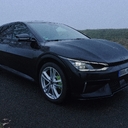
Mein vorheriger Q8 mit seinem Luftfahrwerk war da schon mit mehr "Reserven" auf Knopfdruck ausgestattet.
Wenn du das wirklich willst, frag doch mal bei KW an, ob man im EV6 GT das KW V3 mit einem Hydraulic Lift Kit kombinieren kann?